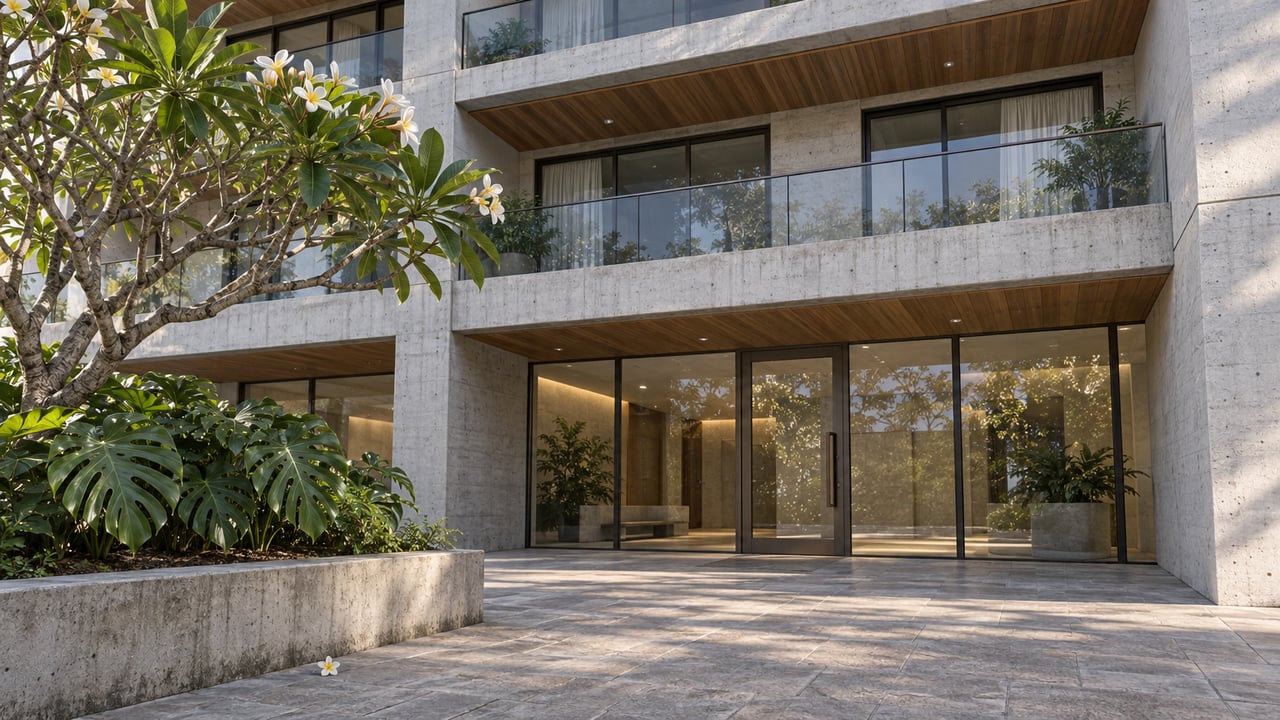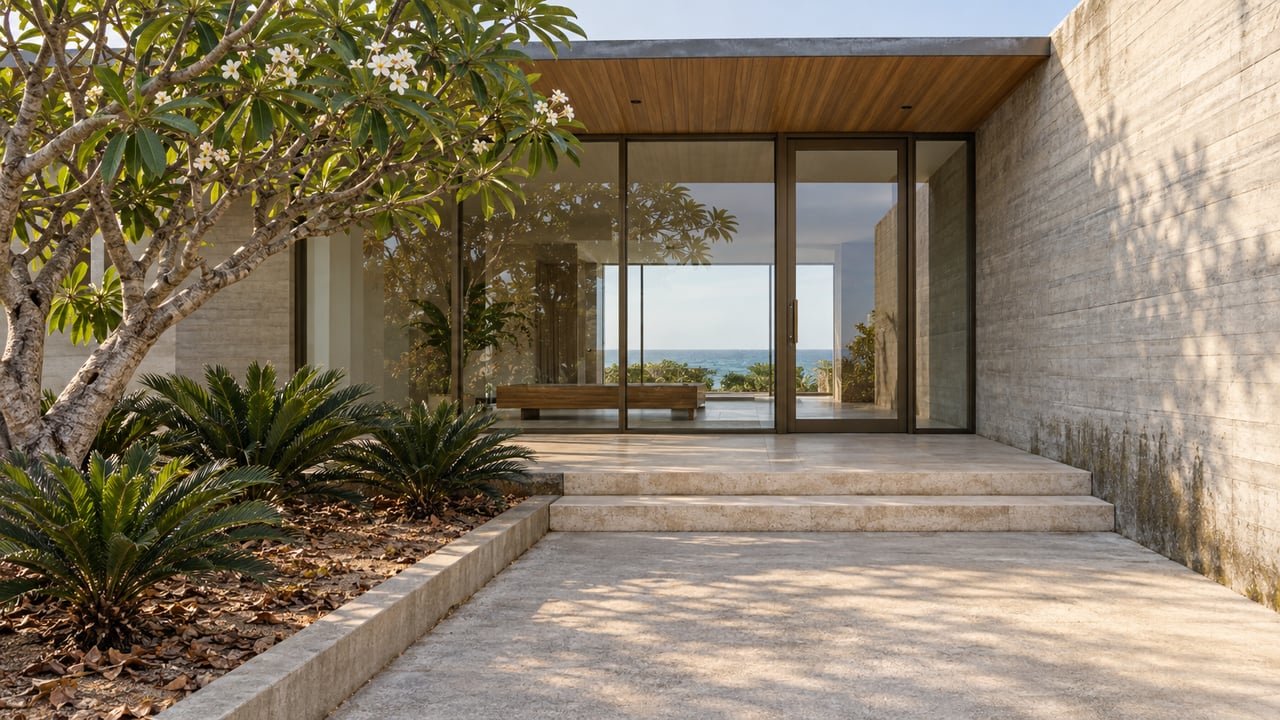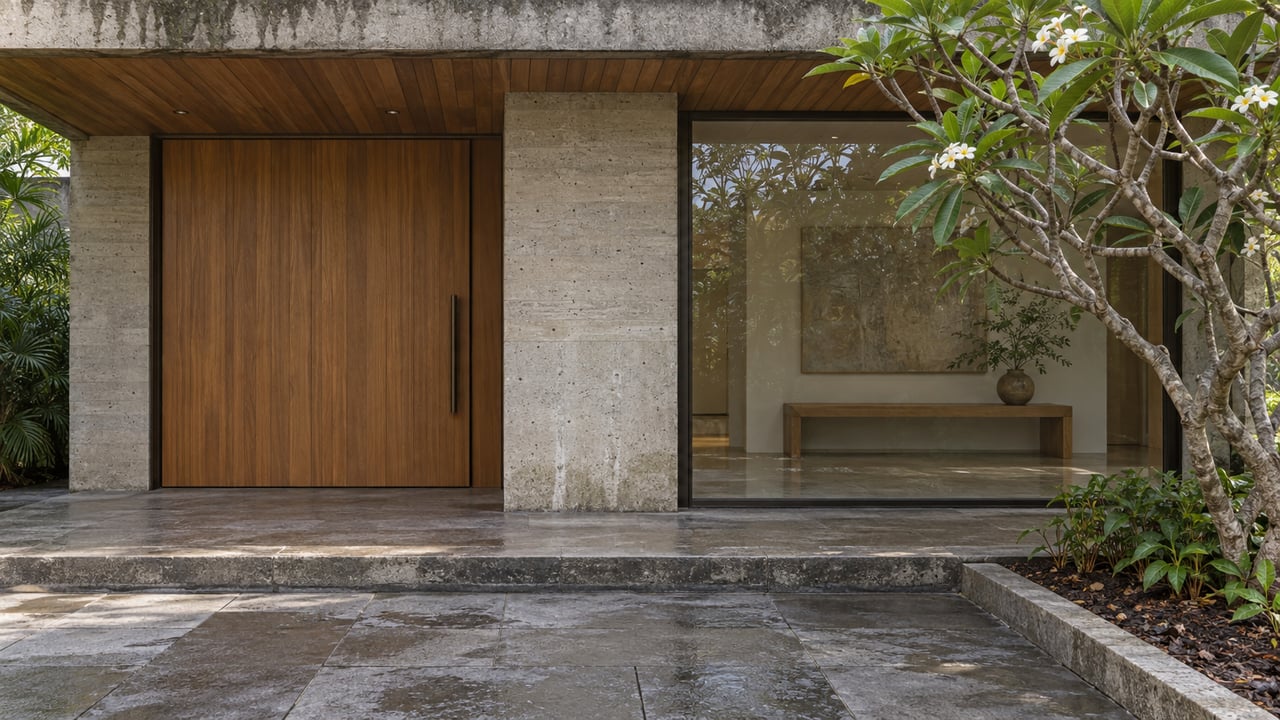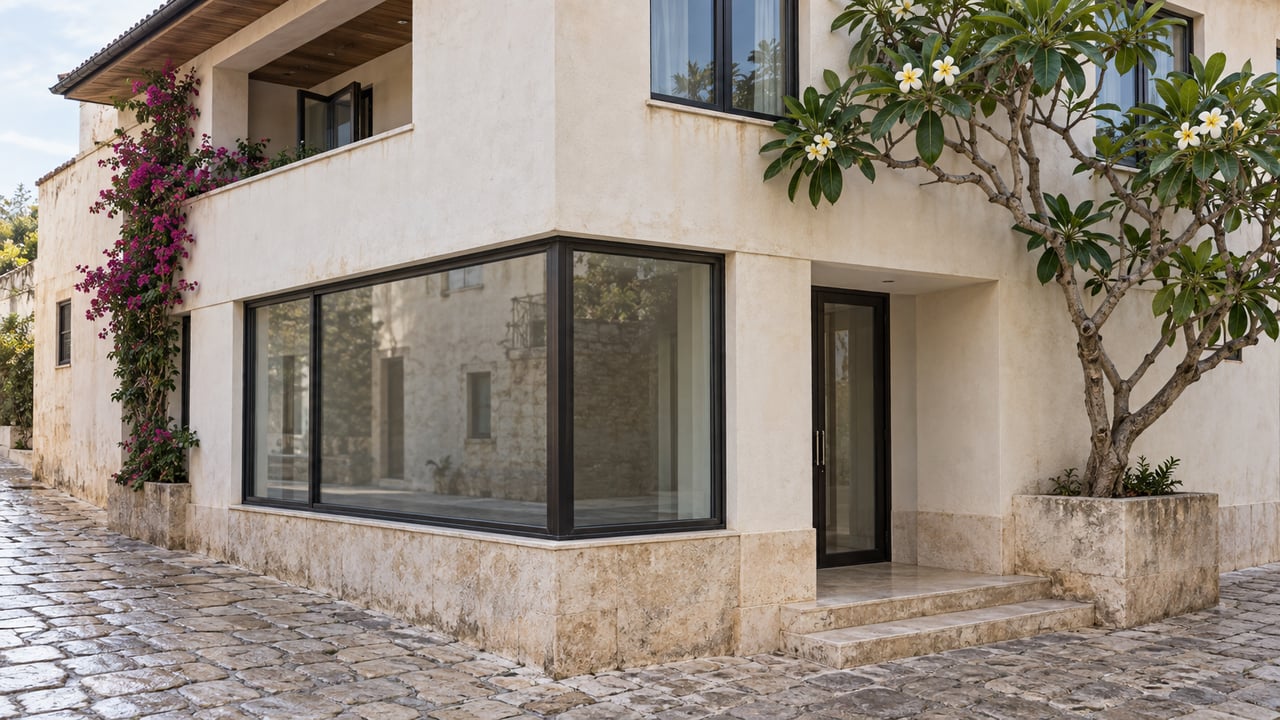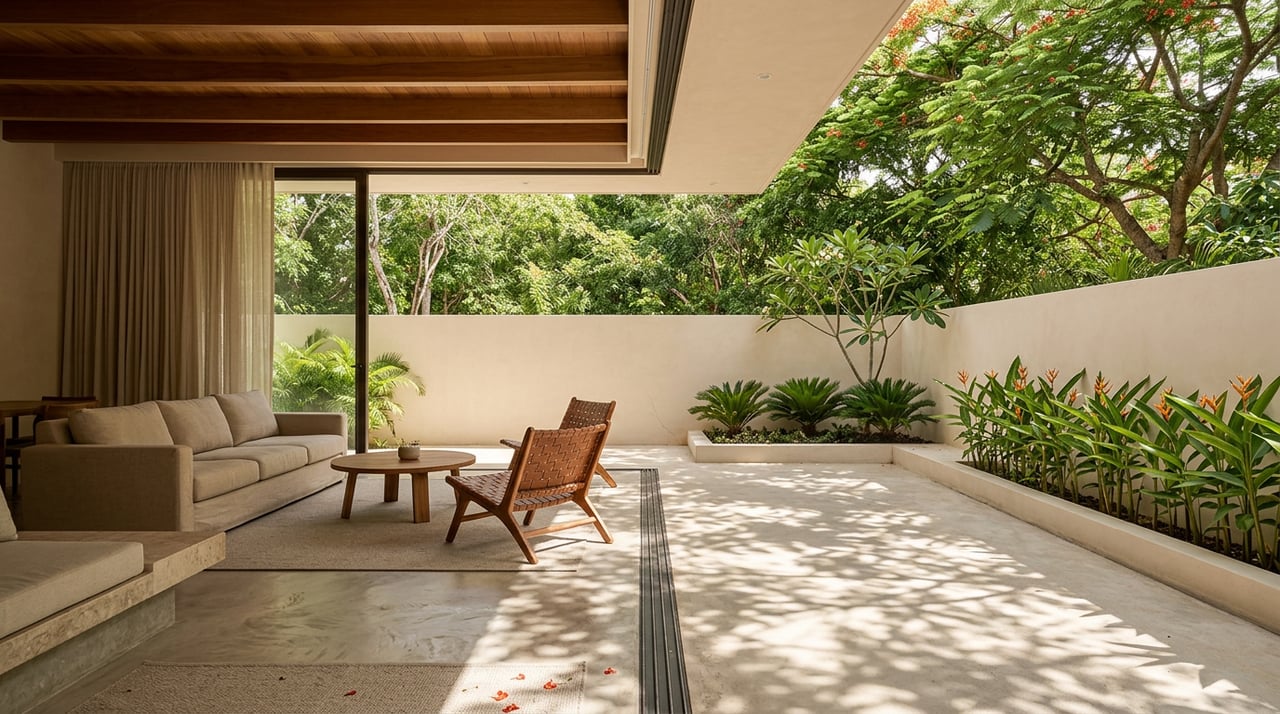
A buyer under contract on a condo near Playa Conchal recently found something unexpected in the closing documents: a clause requiring the unit to operate as hotel accommodation for most of the year, with owner stays capped at a fraction of the calendar. Nothing in the listing photos or the walkthrough had mentioned it. The unit sat a few hundred meters from the white-shell sand, priced like a vacation home, marketed like a vacation home, and legally bound by a 2006 municipal zoning plan that treats it, for most of the year, as a hotel room someone else runs.
This is not a scam or a hidden defect. It is written into the regulatory plan that governs the coastal strip at Playa Conchal and Punta Sabana, and it is a legitimate example of how Costa Rica's Maritime Zone law plays out differently depending on exactly which parcel you are standing on. The problem is that most explanations of titled versus concession property stop at the zone math and never get to this part, which is the part that actually changes what a buyer can do with the property once it closes.
The Same Beach, Three Different Deeds
Walk the coastline from Playa Conchal north through the Reserva Conchal footprint and you cross at least three distinct ownership structures, often within a few hundred meters of each other.
| Ownership type | Where you'll find it around Playa Conchal / Minas | What you actually hold | Owner's personal use |
|---|---|---|---|
| Fee simple (titled) | Homesites set back from the high-tide line, including enclaves like Sanara inside Reserva Conchal | Full title registered at Costa Rica's National Registry | Unrestricted |
| Standard concession | Residential lots inside the 50 to 200 meter Maritime Zone strip | A renewable municipal use-right, not a deed | Governed by the concession terms, but not capped by a hotel-use ratio |
| Condo-hotel concession | Certain condo-hotel product tied to the resort footprint along Playa Conchal itself | A renewable use-right bundled with a mandatory hotel-operating agreement | Roughly 30 percent of the year, per the zoning plan, with the balance dedicated to lodging service |
The first two categories show up in most Costa Rica real estate explainers. The third rarely does, because it only applies where a specific municipal ordinance created it, and Playa Conchal is one of the places that ordinance exists.
Where the Legal Line Actually Falls
Costa Rica's Maritime Zone Law, Law 6043, sets the frame everyone in Guanacaste real estate is working within. The first 50 meters from the high-tide line is public land. Nothing gets built there, no exceptions. The next 150 meters is the restricted zone, and municipalities can grant concessions there, meaning a renewable right to use and develop the land, administered locally rather than owned outright. Land beyond 200 meters from the high-tide line can be fully titled and owned outright by foreigners with no restrictions, which is why enclaves like Sanara sit on fee-simple ground while properties directly fronting the beach at Playa Conchal often do not.
That much is national law and applies the same way in Tamarindo, Playa Flamingo, or anywhere else on the coast. What makes Playa Conchal different is a specific document: the Plan Regulador y Reglamento de Zonificación de los sectores Costeros de Punta Sabana y Playa Conchal, adopted by the Municipality of Santa Cruz in April 2006. It governs the exact stretch of Maritime Zone tied to the tourism corridor built out by Reserva Conchal's developers, and it does something most coastal zoning plans do not: it ties certain condo-hotel product to a mandatory hospitality-service requirement, specifying that a minimum share of the year, the ordinance sets it at 70 percent, must be dedicated to lodging service, with the remaining share available for use by the unit's owners.
That single clause is the difference between a beach condo you can occupy whenever you like and a beach condo you can occupy for a defined slice of the year, with a hotel operator managing the rest.
What This Actually Restricts
If a buyer's plan is to retire into a Playa Conchal condo and live there full time, a unit governed by this hotel-operation clause will not work no matter how good the price looks. Thirty percent of a year is roughly four months. That is a vacation home schedule, not a residency schedule, and no amount of negotiation with the seller changes an obligation written into the municipal zoning plan itself.
If a buyer's plan is closer to Persona 2 in this market, an investor looking for professionally managed rental income with limited personal use, this same structure can be an advantage rather than a defect. A unit built and zoned for hotel operation typically comes with an established management contract, marketing through the resort's booking channels, and none of the guesswork that comes with self-managing a private rental. The clause that restricts a retiree's plans is often the exact structure an income-focused buyer was hoping to find, just not labeled clearly enough for either buyer to recognize it before asking.
The practical takeaway is not that one ownership type is better. It is that the type has to be identified before an offer goes in, because it changes what the property is for.
The Financing and Resale Gap Nobody Mentions Until Later
Titled and concession property also behave differently once a buyer moves past the purchase and into financing or resale. Real Estate Grupo notes that Costa Rican banks and international lenders are generally far more comfortable lending against titled land than against a concession, since a concession is a use-right rather than a deed and cannot always be pledged the same way. Insurance underwriters can treat concession-zone improvements differently as well. And at resale, a titled beachfront lot typically commands a premium because the pool of buyers who can purchase it without restriction is simply larger.
None of this makes concession property a poor investment. Some of the country's most established hospitality assets, including large resort brands with a presence on this coast, operate entirely on concession land and hold significant long-term value. It does mean a buyer comparing two listings at similar price points, one titled and one concession, is not comparing like to like on financing terms or resale liquidity, and that gap deserves more weight in the decision than most listing sheets give it.
Before You Sign, Ask These Four Questions
A short list is worth more than a long explanation here, because the due diligence itself is short and specific.
- Is this parcel titled, standard concession, or condo-hotel concession, and where does that boundary fall relative to the high-tide line
- If it is a concession, is the file properly registered at the Registro Nacional, with a clear chain of authorized transfers and current fee payments
- If it is condo-hotel product, what percentage of the year is the unit obligated to operate as lodging, and who holds the management contract
- If personal use is capped, does that match how this buyer actually intends to use the property
Any seller who describes a concession as practically titled, or waves off the hotel-use clause as a formality, should be asked for the documentation that backs the claim. A registered concession file and a verified zoning designation settle the question in minutes. A verbal assurance settles nothing once a dispute arises.
A Note on the Foreign Ownership Rule
One more distinction matters here. Costa Rican law generally requires a foreign national to hold at least five years of legal residency before taking a concession directly in their own name. Most foreign buyers who want concession property structure the purchase through a Costa Rican corporation instead, which is standard practice on this coast and something a qualified local attorney sets up as part of the closing process. It is not a barrier to buying, but it is one more reason the ownership category needs to be confirmed early, since it shapes how the purchase gets structured from the first conversation with an attorney.
The Reading That Actually Holds Up
Playa Conchal's beauty is not in question and never has been. What deserves more attention is that the same white-shell coastline sits under at least three distinct legal categories of ownership, each with its own financing reality, resale pool, and, in one specific case, a hard cap on how many nights a year an owner can actually stay. The zoning plan that created that cap has been on the books since 2006. It has not stopped anyone from buying well in this market. It has occasionally stopped someone from realizing, until the closing table, that the beach condo they signed for was never meant to be lived in full time.
If you are comparing properties in Playa Conchal or the Minas corridor and want a straight answer on which ownership category a specific listing falls into, the team at Flamingo Beach Realty has spent years walking buyers through exactly this distinction, deed by deed, before any offer goes in.
This article is general information, not legal, tax or financial advice. Consult a qualified professional about your situation.