By Flamingo Beach Realty
If you are in the process of buying a home in Costa Rica, or preparing to sell one on the Gold Coast, you are already navigating more emotion than a typical transaction involves. Buying a home in Costa Rica is not just a financial decision for most people — it is tied to a long-held vision of a different kind of life, a retirement dream, or a significant life change. That emotional weight is real. It is also one of the biggest reasons people make decisions they later regret. Here is what we have seen across years of guiding buyers and sellers through Playa Flamingo and the Guanacaste coast, and how understanding the emotional side makes the whole process go better.
Key Takeaways
- Buying a home in Costa Rica involves more emotion than most purchases — awareness is the key to managing it.
- For buyers, FOMO and attachment to specific properties are the most common and costly traps.
- For sellers, emotional attachment to price is the top reason homes sit on the market too long.
- A trusted agent's job is partly to keep you grounded when emotion is doing the steering.
For Buyers: When Excitement Becomes a Liability
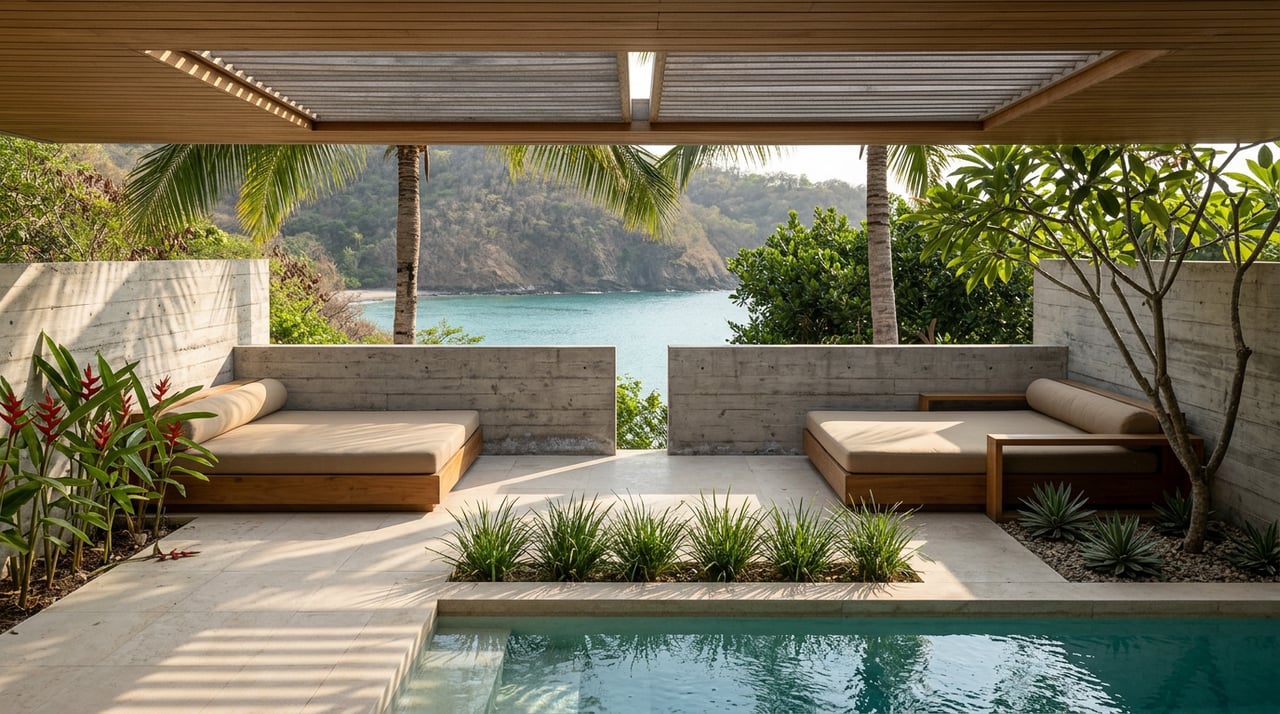
There is a specific feeling that happens when you walk into the right property. The light is doing something unusual, the terrace opens to the Pacific view you have been imagining for years, and suddenly you are mentally placing furniture. That feeling is a real part of buying a home in Costa Rica, and we are not here to talk you out of it. But it is also the moment when buyers become most vulnerable to decisions they will later question.
The most common emotional trap for people buying a home in Costa Rica is FOMO — fear of missing out. In a market like Playa Flamingo, where titled beachfront inventory is limited and well-priced ocean-view homes in communities like Mar Vista move quickly, urgency is not always manufactured. But urgency combined with strong attachment to a specific property pushes buyers toward skipping due diligence, overextending budgets, or making offers before confirming title status or construction quality.
What to protect yourself from when buying a home in Costa Rica:
- Falling so in love with a view that you skip the civil engineer inspection
- Letting FOMO push you into an offer before your attorney has confirmed clean title
- Anchoring to the first property you tour and measuring everything else against it unfairly
- Stretching your budget for emotional appeal rather than verified market value
For Buyers: How to Use Emotion Productively
Unexamined emotion is the problem — not emotion itself. When you feel a strong response to a property while buying a home in Costa Rica, that is useful data. It tells you what matters to you, which is worth knowing before you negotiate. The buyers who move through the Flamingo market most confidently are those who know their non-negotiables going in, use them as a filter, and let the emotional response inform rather than override their decision.
A helpful reframe is separating the property from the lifestyle. The Playa Flamingo lifestyle — marina access, proximity to Playa Conchal, the pace of the Gold Coast — is real and it exists across multiple properties. When buyers buying a home in Costa Rica anchor to that distinction, they make cleaner decisions.
How to keep emotion working in your favor when buying a home in Costa Rica:
- Write down your non-negotiables before you start touring, and hold to them
- Use your emotional response as a signal of alignment, not a closing argument
- Build in a pause between the tour and the offer — even 24 hours changes perspective
- Ask your agent for the unemotional case for why a property works or doesn't
For Sellers: The Price Problem Emotion Creates
Sellers in Playa Flamingo and across the Gold Coast run into a specific challenge: pricing a property based on what it means to them rather than what the market will support. You have made real improvements, watched sunsets from that terrace hundreds of times, and created memories that feel like they should carry dollar value. They don't — at least not to buyers buying a home in Costa Rica with market data in front of them.
In 2024, the average days on market on the Nicoya Peninsula was 471 days. Many of those timelines trace back to listing prices set emotionally rather than analytically. Homes that require a price drop take twice as long to sell as those priced correctly from the start. The insistence on a high number often results in netting less than a sharp, accurate price from day one would have returned.
The most common emotional pricing mistakes sellers make:
- Pricing based on what you need from the sale rather than what the market will bear
- Adding the cost of personal renovations even when they don't add equivalent market value
- Resisting agent guidance in favor of what friends, family, or online estimates suggest
- Holding out for a number you decided on before the property was even listed
For Sellers: What a Good Agent Actually Does
Part of what we do at Flamingo Beach Realty is hold the line on data when clients are understandably emotional about their property. Agents who soften that conversation are not doing their clients any favors. A comparative market analysis tells you what properties like yours have actually sold for in this market — not what you wish they had.
The sellers who move through the process most cleanly treat the sale as a business transaction and the memories as separate and personal. Both can be true: the property can mean a great deal to you and still need to be priced where buyers buying a home in Costa Rica will actually meet it.
What a trusted agent should be doing for you as a seller:
- Presenting a data-driven comparative market analysis without softening it
- Giving honest feedback on presentation and anything that affects buyer perception
- Coaching you through low offers or critical feedback so you respond strategically
- Keeping the negotiation focused on the transaction, not your personal history with the property
FAQs
Is it a problem to feel emotionally attached to a property when buying a home in Costa Rica?
Not at all — it becomes a problem only when attachment replaces judgment. Use the feeling as a signal that a property aligns with what you want, then make sure the fundamentals support the decision before you proceed.
How do we handle it when sellers set an asking price we think is too high?
We have an honest conversation backed by comparable sales data. Our job is to give you an accurate picture of the market. A home priced above what buyers buying a home in Costa Rica will support will sit, and a home that sits long enough loses value faster than a price reduction would have cost you.
Does buying a home in Costa Rica feel more emotional than buying at home?
Yes, and in a specific way. Buyers are often also buying into a lifestyle change — a retirement dream or a long-held vision of living on the Gold Coast. That charge is real and part of what makes this market exciting. It also means the stakes of letting emotion override due diligence are higher, which is something we take seriously in how we guide every client.
Buy or Sell in Playa Flamingo With a Team That Keeps You Grounded
Buying a home in Costa Rica is emotional because the decision is personal. The goal is not to remove that — it is to make sure emotion and data work together rather than against each other. Our team at Flamingo Beach Realty has guided over 560 families through buying and selling on the Gold Coast, and a consistent part of that work is helping clients make decisions they feel good about years later, not just in the moment.
Whether you are buying a home in Costa Rica for the first time or preparing to sell, we are here to give you the full picture. Connect with our team at Flamingo Beach Realty.