Guanacaste, Costa Rica, is known for its striking coastlines, strong tourism sector, and increasing interest from international buyers. Its market combines lifestyle appeal with investment potential, attracting everyone from retirees to remote professionals and vacation-home seekers.
Learning how to buy a property in Guanacaste involves understanding the region’s real estate structure, purchase process, and ownership regulations. With the proper preparation and professional support, buying in Guanacaste can be a straightforward and rewarding experience.
Ownership Rights in Costa Rica
Foreigners in Costa Rica enjoy the same property ownership rights as citizens, making Guanacaste a top choice for international buyers. Properties under a “fee simple” title give full ownership, allowing you to sell, lease, or develop without additional restrictions. This transparency and accessibility make investing in the region far easier than in many other tropical destinations.
However, beachfront properties may fall under Costa Rica’s “maritime zone” law, which restricts land ownership within 200 meters of the high-tide line. The first 50 meters are public, while the remaining 150 meters can only be leased through concessions. Buyers should confirm a property’s classification through the National Registry to avoid legal or resale complications.
Choose the Right Property Type
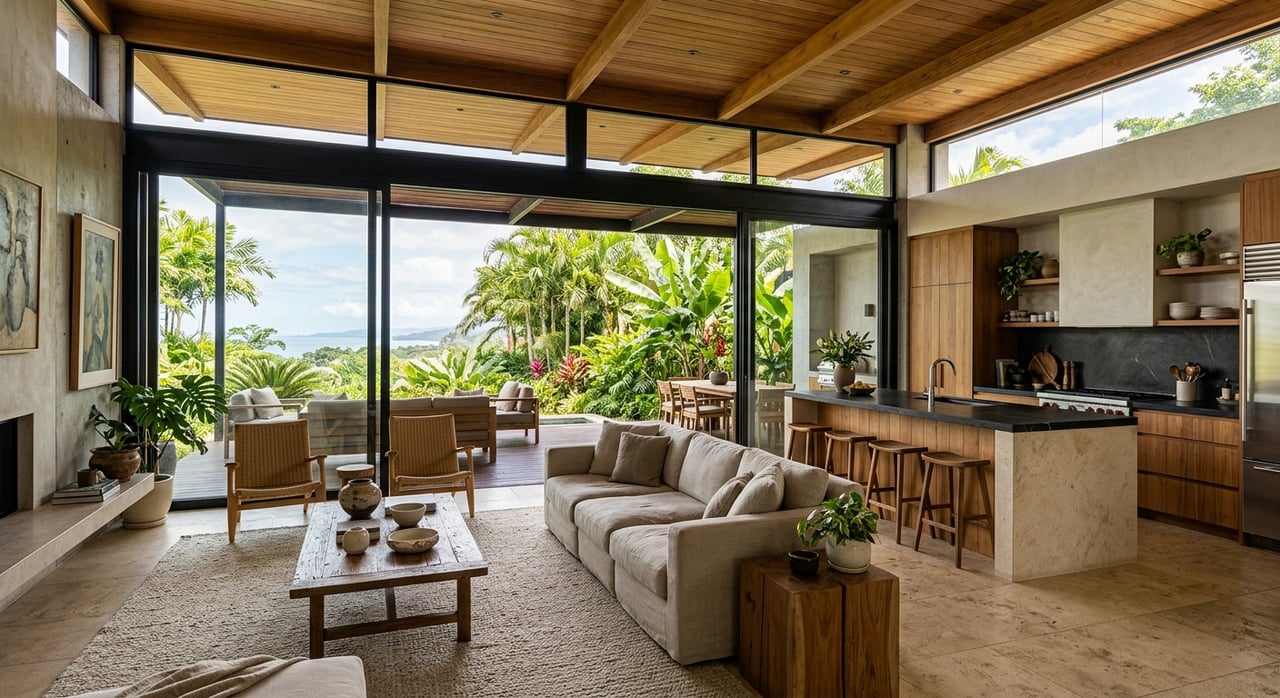
The Guanacaste market offers a wide range of real estate opportunities. Buyers can find everything from turnkey condos in Tamarindo and Playa Hermosa to custom villas overlooking the Pacific or raw land ready for development. Beachfront homes, resort villas, and gated-community estates attract buyers seeking resort-style amenities and scenic views. Inland, areas near Liberia and Nicoya offer more expansive parcels ideal for agricultural or eco-retreat projects.
Each property type has its own set of advantages. Condominiums typically include shared maintenance and security, while single-family homes provide privacy and customization potential. Buyers should clarify whether their goal is personal use, rental income, or long-term investment before making an offer, as property type influences financing, management, and resale strategy.
Select the Right Location in Guanacaste
Guanacaste’s geography creates distinct micro-markets. Coastal communities like Playa Flamingo, Nosara, and Playa Potrero are popular among luxury buyers prioritizing ocean access and lifestyle amenities. Inland towns such as Liberia and Santa Cruz offer lower prices and proximity to primary services.
Infrastructure continues to expand throughout the province, particularly around the Daniel Oduber Quirós International Airport in Liberia. Improved roads and new commercial developments have made nearby areas more desirable for residential and investment purposes. Before purchasing, evaluate access to utilities, roads, and services to ensure the property fits your intended use.
Navigate the Legal and Due Diligence Process
All real estate transactions in Costa Rica are recorded in the National Registry, which provides complete transparency on title status and ownership history. The first step in due diligence is obtaining a property’s plano catastrado (official map) and confirming its registration matches the seller’s information. Working with a qualified attorney ensures that boundary lines, encumbrances, and liens are reviewed before any contract is signed.
Buyers typically sign a purchase agreement (Option to Buy/Sell), followed by the formal transfer deed executed before a Costa Rican notary public. The transaction is then registered in the National Registry. This process typically takes 30 to 60 days, depending on the complexity of the title and local municipal approvals.
Understand Closing Costs and Fees
Closing costs in Guanacaste average between 2.5% and 4% of the property’s purchase price. These include a transfer tax (1.5%), registration and notary fees, and minor administrative expenses. Transactions are usually conducted in U.S. dollars, which simplifies international transfers. Buyers should also consider small ongoing costs, such as annual property taxes, typically 0.25% of the declared property value.
Buyers sometimes split closing costs with the seller, though this depends on negotiation. It’s also advisable to confirm that all utilities, taxes, and association dues are current before closing, as unpaid balances can transfer with ownership.
Financing and Ownership Structures
Most foreign buyers purchase property in Guanacaste with cash, as mortgage options for non-residents remain limited. Those who do seek financing may explore private lenders, developer financing, or using home equity from abroad. Before transferring funds, it’s essential to work with a local attorney and escrow agent to ensure compliance with Costa Rican banking and anti-money-laundering regulations.
Some buyers hold their property through a Costa Rican corporation, often for estate planning or liability reasons. An attorney can set up the company and ensure it aligns with your goals, particularly if the property generates rental income or operates as a business.
Evaluate Investment and Rental Potential
Guanacaste’s tourism-driven economy makes it one of Costa Rica’s strongest short-term rental markets. Areas such as Tamarindo, Playa Conchal, and Playa Flamingo attract consistent vacation demand throughout the dry season, offering opportunities for solid rental returns.
Property management firms handle everything from guest bookings to maintenance, which allows foreign owners to earn passive income. However, management fees, seasonal demand, and maintenance costs vary widely. Researching these details before purchase helps determine true investment potential.
Taxes and Ongoing Ownership Costs
Costa Rica’s property tax structure is relatively straightforward. Property taxes are lower than North American standards, and homeowners pay an annual municipal fee for garbage collection and infrastructure maintenance. High-value properties exceeding a certain threshold are subject to an additional luxury home tax.
Owners renting their homes must also pay income tax on profits, but these can often be offset through deductions for maintenance, property management, and improvements. Understanding these obligations early ensures compliance and prevents future penalties.
Work with a Real Estate Agent and Attorney
Engaging a licensed real estate agent and attorney is one of the most critical steps in buying property in Guanacaste. Local professionals can identify legitimate listings, guide negotiations, and oversee every stage of the transaction. A reputable agent will provide market insight on pricing, upcoming developments, and resale trends.
An experienced attorney ensures the deal is registered correctly and that all paperwork aligns with Costa Rican law. Buyers should confirm that both professionals are accredited and familiar with the region they are purchasing. Their combined expertise protects your investment and ensures a smooth closing.
Buy Guanacaste Property with Flamingo Beach Realty
If you’re considering purchasing a home, investment property, or land in Guanacaste, connect with Flamingo Beach Realty. Their experienced team guides international buyers through every stage of the process, from identifying ideal listings to navigating closing and ownership. With local insight and personalized service, Flamingo Beach Realty helps you make informed decisions and invest confidently in Costa Rica’s premier coastal region.