By Flamingo Beach Realty
We spend a lot of time walking clients through homes that photograph beautifully in daylight and then feel completely different once the sun goes down. Lighting is one of the most overlooked tools for making a home feel finished in Costa Rica, especially in a climate where natural light does most of the work for half the day. A well-lit home shows better, lives better, and often sells faster. Here are the home lighting tips we come back to on almost every listing we prep, whether we're getting a home ready for showings or helping a client settle into a new one.
Key Takeaways
- Natural light in Guanacaste changes fast, so lighting plans need to account for both bright afternoons and dark evenings
- Indoor-outdoor spaces need their own lighting strategy, not an extension of interior fixtures
- Humidity and salt air affect which fixtures actually last here
- Lighting can be used deliberately to draw attention to a home's best views and features
Why Natural Light Works Differently in This Climate
Guanacaste gets strong, direct sunlight for much of the day, followed by a fast transition into darkness once the sun sets, since daylight hours here stay fairly consistent year-round at this latitude. That means homes often look bright and open in photos taken at midday but can feel dim or uneven once evening lighting takes over. Homes that plan for both conditions, not just the daylight version, tend to feel more comfortable and more finished to buyers and residents alike, and that difference shows up quickly during evening showings.
What Changes Between Day and Evening
- How much natural light pours in through large windows and sliding doors at midday
- How quickly that light disappears once the sun sets, often within 20 to 30 minutes
- Which rooms rely entirely on interior lighting after dark
- Whether existing fixtures create even light or leave dark corners
Layering Light for Indoor-Outdoor Living Spaces
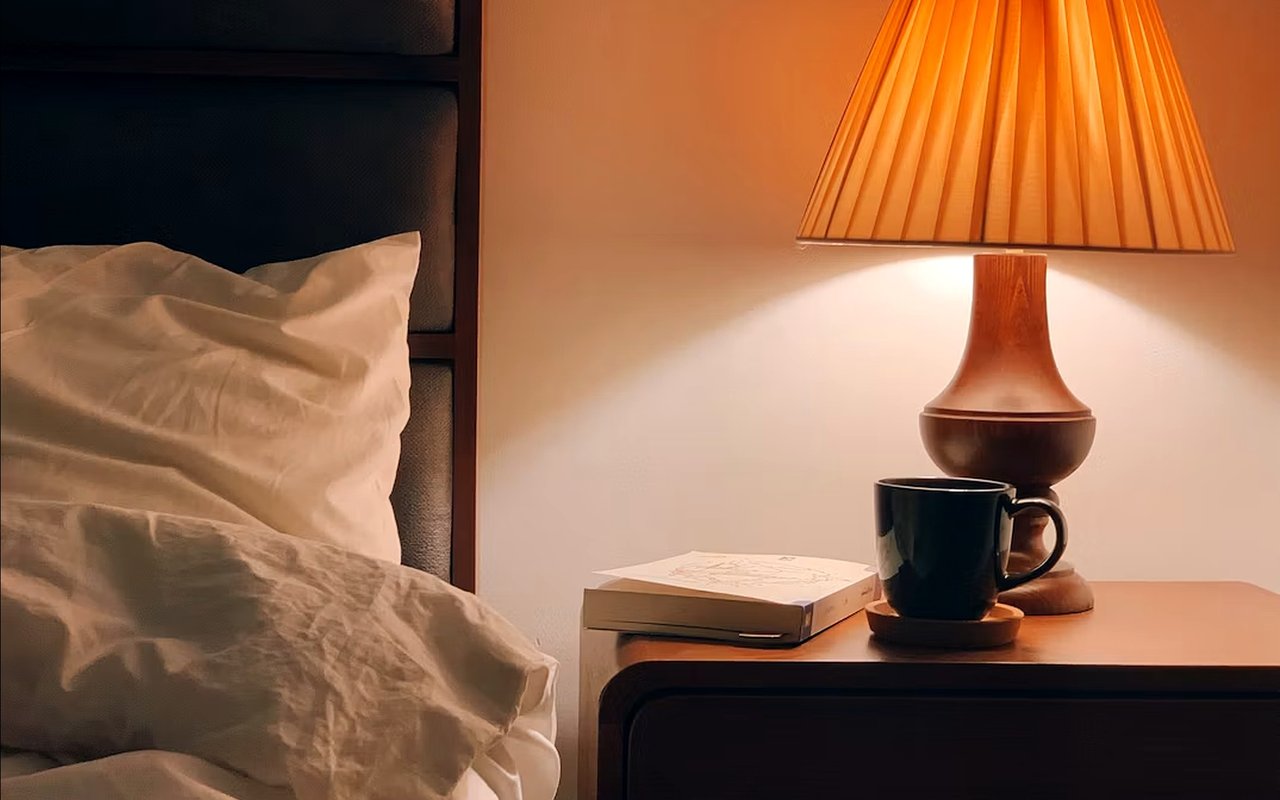
Homes on the Gold Coast are built around the connection between indoor rooms and outdoor terraces, so lighting needs to treat both as one continuous space. A single overhead fixture in the living room rarely does the job on its own, especially in open-concept homes where the kitchen, living area, and terrace all share sightlines. One of the simplest tips we give clients is to layer ambient, task, and accent lighting, both inside and on the terrace, so the space feels intentional after dark instead of half-lit.
Layers Worth Building Into Any Space
- Ambient lighting for overall room brightness, often recessed or ceiling-mounted
- Task lighting near reading chairs, kitchen counters, or outdoor dining tables
- Accent lighting to highlight art, architectural details, or a feature wall
- String or path lighting to extend the living space onto the terrace or pool deck
Choosing Fixtures That Hold Up to Humidity and Salt Air
Coastal homes here take a beating from humidity, salt air, and sun exposure, and lighting fixtures are no exception. Indoor fixtures can generally use standard finishes, but anything mounted outdoors or near open-air spaces needs materials rated for a marine environment. We've seen too many outdoor fixtures corrode or fail within a year or two in Costa Rica because they weren't built for this climate, which usually means an unplanned replacement cost for the homeowner.
Fixture Choices That Hold Up Longer
- Marine-grade or stainless steel fixtures for any outdoor or covered terrace lighting
- Sealed, weather-rated fixtures near pools, outdoor showers, or open-air kitchens
- LED bulbs, which run cooler and last longer in consistently warm conditions
- Fixtures with simple, replaceable parts, since full replacements are harder to source locally
Using Lighting to Highlight a Home's Best Features
Good lighting can draw a buyer's eye toward a home's strongest features instead of leaving them to find it on their own. A home with an ocean view in Playa Flamingo benefits from lighting that keeps large windows and sliding doors as the visual focal point after dark. A property in Reserva Conchal with golf course views might use lighting to frame that outlook rather than compete with it, since a bright fixture placed in the wrong spot can pull the eye away from the view entirely.
Ways to Direct Attention With Light
- Positioning accent lighting to frame a view rather than block it with a fixture
- Using dimmable lighting near large windows so evening reflections don't overwhelm the view
- Highlighting architectural features like exposed beams, stone walls, or vaulted ceilings
- Keeping bright task lighting out of sightlines that lead toward the water or golf course
Lighting for Evenings on the Terrace and Outdoor Living
Evenings are when a lot of daily life happens outdoors here, whether that's dinner on the terrace or a slower start to the morning with coffee before the heat sets in. Terrace and pool lighting deserve as much planning as any interior room, since these spaces get heavy use year-round in this climate. Simple additions like string lights, low-level path lighting, and dimmable sconces can make an outdoor space feel just as finished as the living room.
Outdoor Lighting Details Worth Getting Right
- Low-level path lighting along walkways and pool decks for safety and ambiance
- Dimmable sconces or wall-mounted fixtures near outdoor seating areas
- String lights or lanterns for dining areas used after sunset
- Motion-sensor lighting near entry points and parking areas for convenience
FAQs
Do we need to rewire an older home to improve the lighting?
Not usually. Most lighting upgrades work with existing wiring, especially when they involve swapping fixtures, adding lamps, or layering in accent lighting. Larger changes, like adding new outdoor circuits, are the exception and worth discussing with an electrician first.
What's the biggest lighting mistake you see in listings?
We most often see homes relying on a single overhead fixture per room while skipping the terrace or outdoor space entirely. Buyers notice when a home looks great in daylight photos but has no evening lighting plan at all, and it can make an otherwise strong listing feel unfinished.
Should we invest in lighting before we list, or wait for a buyer to update it?
We generally recommend addressing basic lighting before listing in Costa Rica, since it's an inexpensive way to make a home show better. Bigger lighting investments can usually wait for the next owner's own preferences.
Contact Flamingo Beach Realty Today
Lighting is a small detail that makes an outsized difference in how a home feels, both to live in and to show, and it's one of the easiest upgrades to get right before listing in Costa Rica. We walk every listing with an eye toward how it looks day and night, and we're happy to share specific recommendations for your property.
Reach out to Flamingo Beach Realty, and let's make sure your home is showing its best in every light.
Reach out to Flamingo Beach Realty, and let's make sure your home is showing its best in every light.