Investing in Costa Rica Real Estate: What Expats Need to Know
Costa Rica offers more than a beautiful backdrop. It offers expats a practical way to own property with strong ownership rights, a stable legal framework, and lifestyle upside. Whether you are considering a beachfront condo, a mountain escape, or an income-producing rental, the key is understanding how the system works before you commit.
This guide gives you a clear, fact-based roadmap: what drives the market, what the law allows, what it costs to close, and how to protect yourself with the right due diligence. When you buy with structure, the experience can feel calm, straightforward, and genuinely rewarding.
Table of Contents
Why Costa Rica Appeals to Expats
What to Know About the Real Estate Market
How Expats Buy Property: Legal and Practical Steps
Costs, Fees, and Due Diligence: What to Budget For
Lifestyle Value, Rental Potential, and Long-Term Planning
1. Why Costa Rica Appeals to Expats

Stability and Ownership Rights
Foreign buyers can own titled (fee-simple) property with the same rights as Costa Rican citizens.
You do not need residency or a special visa to purchase property.
Natural Beauty and Climate
Costa Rica supports multiple “versions” of expat life: surf towns, cooler mountain communities, rainforest living, and walkable beach villages. The climate and landscape variety make it easy to match location to lifestyle.
Quality of Life With Manageable Carrying Costs
Compared to many North American and European markets, ongoing expenses can be more approachable, especially property taxes. Many expats also like the option to use the home seasonally while renting it when they are away.
Flexible Inventory for Different Goals
Costa Rica is not one market, it is many micro-markets. You can choose from:
Coastal condos
Single-family homes
Gated community villas
Acreage and build-ready land
Small commercial opportunities in tourism corridors
2. What to Know About the Real Estate Market
A Wide Range of Property Types
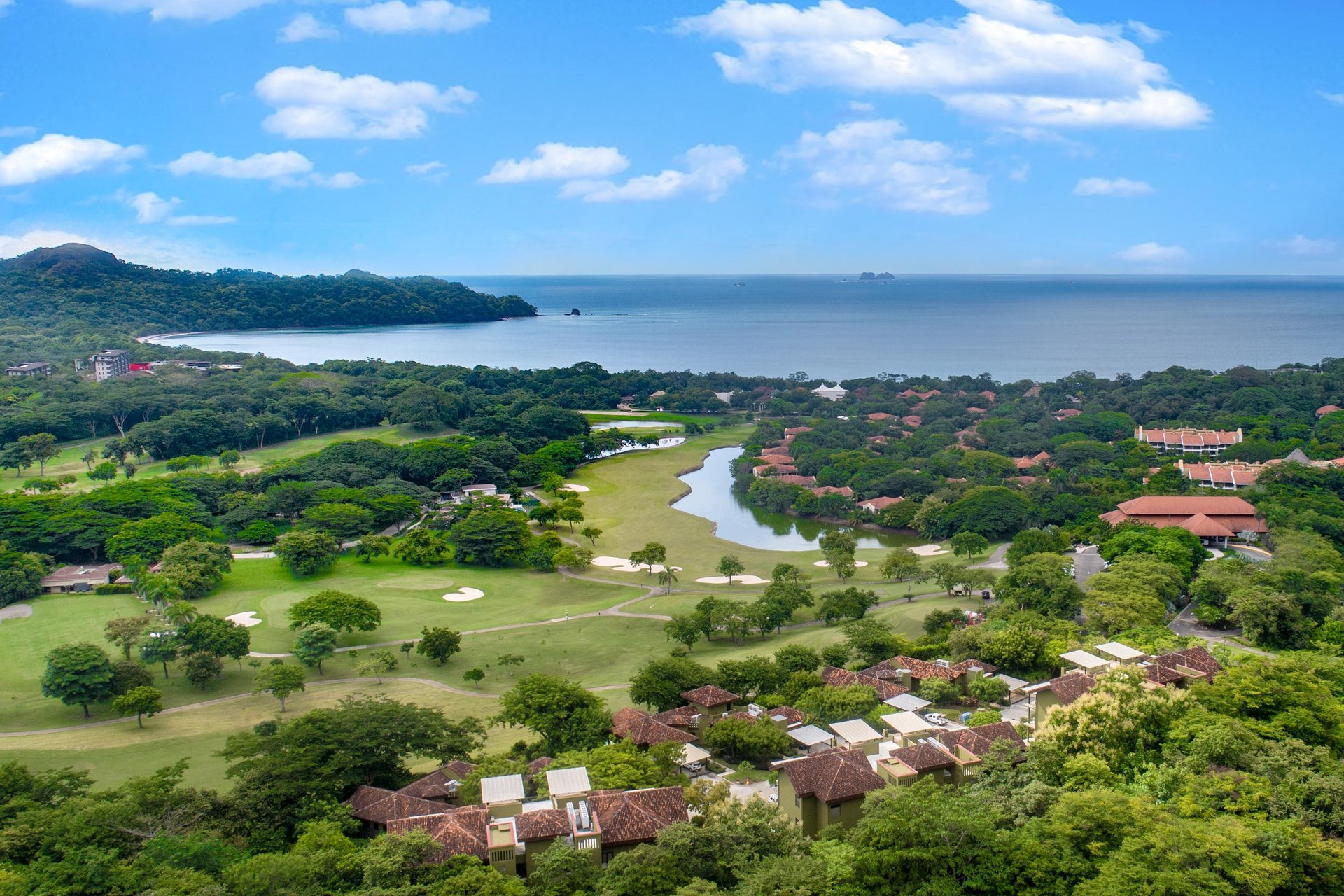
Expats can buy most property categories, as long as the land is titled. Your strategy should lead the search: lifestyle-first, rental-first, or long-term appreciation and land value.
Maritime Zone Rules (Beachfront Reality Check)
Not every “beachfront” listing is fee-simple ownership.
The first 50 meters from the high-tide line is public land.
The next 150 meters is typically the concession zone.
Concession rights operate differently than titled ownership and may involve restrictions for foreign buyers, often requiring specific structures such as a corporation and may involve ownership percentage limits.
Bottom line: coastal proximity is not the same as coastal title. Your attorney must confirm what you are buying before you fall in love with the view.
Demand Drivers: Tourism and Expat Lifestyle Migration
Coastal and high-amenity zones tend to be influenced by:
vacation rental demand
community infrastructure (roads, dining, services)
proximity to airports
“walkability” and lifestyle convenience
3. How Expats Buy Property: Legal and Practical Steps

Step-by-Step Buying Process
Choose your target region and property type
Decide whether your priority is beach access, cooler climate, school proximity, rental demand, or privacy.Work with a trusted local real estate professional
The right agent helps you compare micro-markets, verify listing claims, and avoid mismatched locations.Tour properties when possible
Photos rarely show road access, neighborhood noise, drainage, or true walkability. In-person viewings reduce surprises.Hire a Costa Rican attorney-notary
In Costa Rica, transfers must be executed by an attorney-notary. This is the professional who confirms legal standing and drafts the transfer documents.Run full due diligence
Title search, liens, encumbrances, zoning, registered boundaries, legal access, utilities, water availability, and concession status if near the coast. If there is a structure, add a technical inspection.Negotiate and sign the purchase agreement
Deposits are typically held in escrow. If you are not fluent in Spanish, insist on clear translation and attorney explanation of the binding Spanish documentation.Close and register ownership
Taxes and fees are paid, and the transfer is recorded in the National Registry.
Buying Remotely
Remote purchases are possible. Many expats close using a power of attorney granted to a trusted legal representative in Costa Rica.
4. Costs, Fees, and Due Diligence: What to Budget For

Typical Closing Costs (General Planning Range)
Transfer tax: about 1.5% of registered value
Registry and documentary stamps: about 0.5%
Legal/notary fees: commonly ~1.25% to 2% (varies by complexity)
Total estimate: often ~3.5% to 5% of the purchase price
Ongoing Costs
Annual property tax: roughly 0.25% of assessed value
Possible additional costs: HOA fees, maintenance, pool/garden care, insurance, and property management if rented.
Why Due Diligence Is Non-Negotiable
Due diligence protects you from:
unclear title or liens
zoning conflicts
access issues (easements, right-of-way)
water and utility limitations
concession restrictions near the shoreline
hidden repair costs or non-compliant construction
If your plan includes rentals, you should also review HOA rules, local regulations, and realistic occupancy expectations.
5. Lifestyle Value, Rental Potential, and Long-Term Planning
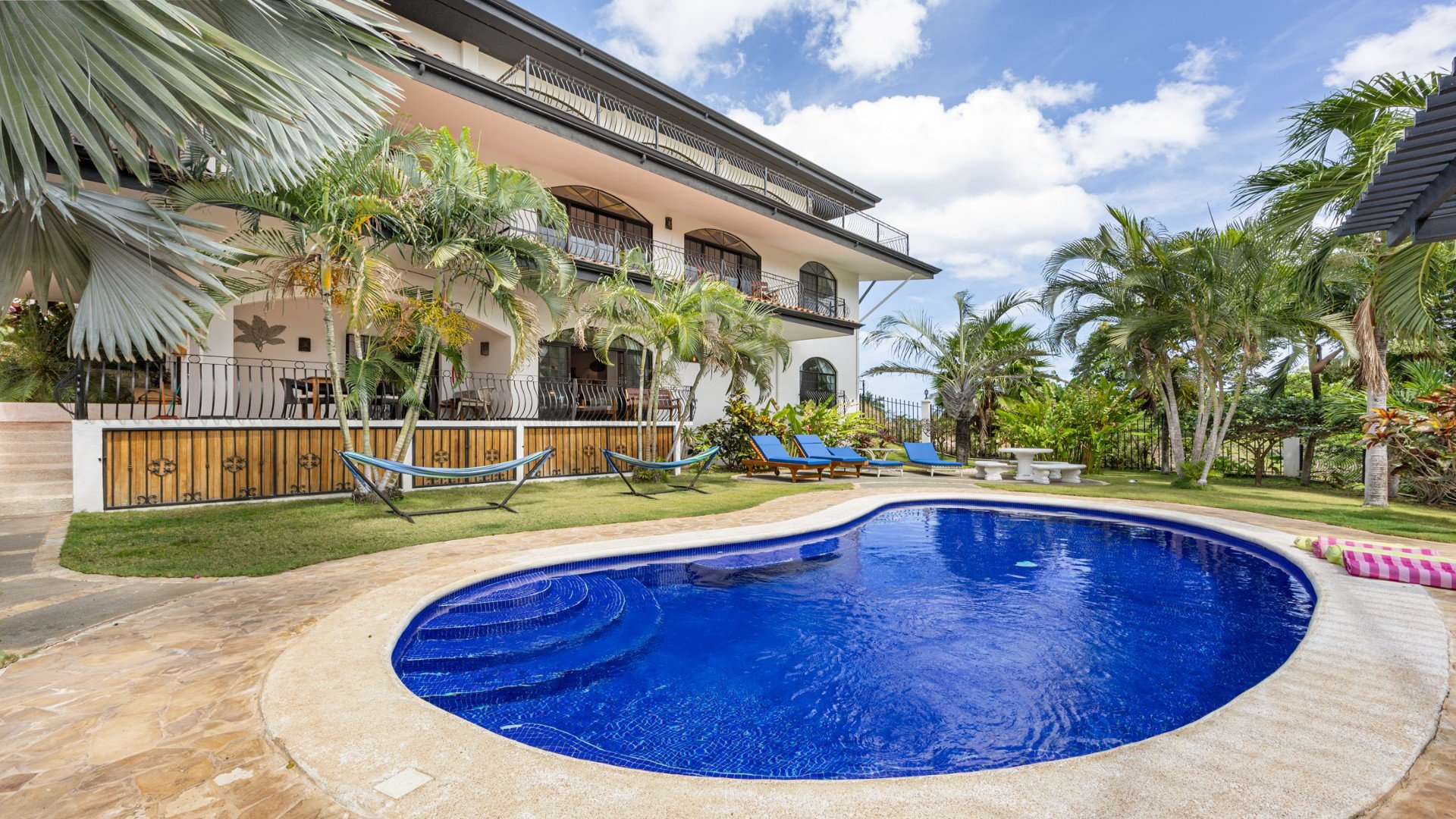
Lifestyle Upside
Many expats buy for the day-to-day upgrade: more time outdoors, community connection, and a calmer pace that still feels vibrant.
Rental Income Potential
High-demand regions can support strong short-term rental performance, but only if the property matches what renters actually book:
proximity to beach and services
reliable internet
safe access and parking
strong property management
Smart Risk Awareness
Concession properties require extra legal clarity.
Infrastructure varies widely by region.
Remote properties can be amazing, but they demand deeper verification on roads, utilities, and emergency access.
Final Thoughts
Costa Rica can be a strong expat real estate play when you treat it like a system: choose the right micro-market, confirm title type, run thorough due diligence, and work with experienced professionals. Do that, and the purchase stops feeling risky and starts feeling like a confident lifestyle decision with long-term upside.
Explore Guanacaste listings.
If you want a short list of properties that match your goals, share your target budget, preferred region, and whether you want lifestyle-first or rental-first, and I will narrow it down fast.
Frequently Asked Questions (FAQ)
Q: Can foreigners own property in Costa Rica like locals?
A: Yes, foreigners can own titled (fee-simple) property with the same rights as Costa Rican citizens.
Q: Do I need residency to buy property?
A: No. Residency is not required to purchase.
Q: Are there restrictions for beachfront properties?
A: Yes. Property within the maritime zone often falls under concession rules and may include foreign ownership and use limitations. Always confirm whether it is titled or concession.
Q: What should I budget for closing costs?
A: A common planning range is ~3.5% to 5% of the purchase price, depending on structure and complexity.
Q: What are typical annual ownership costs?
A: Annual property tax is generally about 0.25% of assessed value, plus maintenance and any HOA or management fees.