Buying property in Costa Rica involves structural considerations, regional building standards, and environmental conditions that differ from those in many other countries. A detailed inspection helps clarify a property’s actual state before closing. Buyers seeking guidance on inspecting a home in Costa Rica benefit from understanding how local construction materials, climate patterns, and municipal regulations impact the inspection process.
The Role of a Professional Inspector in Costa Rica
Professional inspectors in Costa Rica evaluate structural integrity, mechanical systems, and site conditions. Many have experience assessing concrete block construction, which is the most common building method in the country. An inspector examines roofs, foundations, plumbing, electrical systems, drainage, and finishes. Some inspectors also use thermal cameras and moisture meters to identify hidden issues.
Local expertise is valuable because coastal homes, mountain homes, and properties in the Central Valley face different environmental challenges. Choosing an inspector who understands these differences provides buyers with a clearer understanding of their long-term maintenance needs.
Local expertise is valuable because coastal homes, mountain homes, and properties in the Central Valley face different environmental challenges. Choosing an inspector who understands these differences provides buyers with a clearer understanding of their long-term maintenance needs.
Structural Evaluation: Concrete, Foundations, and Roof Systems
Costa Rican homes typically use reinforced concrete walls and tile or metal roofs. Inspectors assess structural elements by reviewing visible cracking, signs of settlement, and the integrity of columns. Not all surface cracks indicate structural issues, but inspectors distinguish superficial marks from signs of stress.
Roof inspections focus on tile alignment, metal panel condition, ridge caps, and underlayment. In coastal regions such as Guanacaste, homes often use metal roofing to withstand intense sun. In the Central Valley, tile roofing remains a common choice. Inspectors evaluate water entry points and roof anchoring to ensure the home’s upper structure remains secure.
Roof inspections focus on tile alignment, metal panel condition, ridge caps, and underlayment. In coastal regions such as Guanacaste, homes often use metal roofing to withstand intense sun. In the Central Valley, tile roofing remains a common choice. Inspectors evaluate water entry points and roof anchoring to ensure the home’s upper structure remains secure.
Electrical Systems: Wiring, Grounding, and Panel Condition
Electrical standards in Costa Rica differ from those in the United States, so a thorough electrical inspection remains essential. Inspectors evaluate breaker panels, grounding systems, wiring type, and outlet distribution. Older homes may feature mixed wiring that requires updating, whereas newer construction often utilizes modern conduits and organized panel layouts.
Inspectors also check for moisture exposure near outlets, especially in coastal or high-humidity regions. Proper grounding is critical to ensure the consistent operation of appliances and electronics.
Inspectors also check for moisture exposure near outlets, especially in coastal or high-humidity regions. Proper grounding is critical to ensure the consistent operation of appliances and electronics.
Plumbing and Water Systems: Supply, Drainage, and Filtration
Plumbing systems vary depending on the region and age of the home. Inspectors review water pressure, pipe materials, drainage quality, and fixture connections. Many homes rely on municipal supply, while others include wells, water storage tanks, or booster pumps. Inspectors verify the condition and functionality of each component.
Hot water systems also differ across the country. Some homes use tank heaters, while others use on-demand systems. Inspectors check for leaks, corrosion, and proper connections. In areas where mineral-heavy water is common, inspectors evaluate scale buildup.
Hot water systems also differ across the country. Some homes use tank heaters, while others use on-demand systems. Inspectors check for leaks, corrosion, and proper connections. In areas where mineral-heavy water is common, inspectors evaluate scale buildup.
Airflow, Ventilation, and Climate Considerations
Costa Rica’s climate varies widely. Coastal regions experience heat and humidity, mountain areas enjoy cooler temperatures, and the Central Valley offers a temperate climate. Inspectors review ventilation efficiency to ensure airflow supports occupant comfort.
Homes in Guanacaste often rely on mini-split air conditioners, ceiling fans, and large windows. Inspectors verify that seals, filters, and drainage lines are functioning properly. In mountain regions, ventilation prevents moisture buildup that can affect finishes and furnishings.
Homes in Guanacaste often rely on mini-split air conditioners, ceiling fans, and large windows. Inspectors verify that seals, filters, and drainage lines are functioning properly. In mountain regions, ventilation prevents moisture buildup that can affect finishes and furnishings.
Windows, Doors, and Exterior Finishes
Homes in Costa Rica commonly use aluminum-frame windows, treated wood doors, and concrete exteriors. Inspectors evaluate the condition of the hardware, hinge alignment, screen integrity, and door sealing. Aluminum frames may show oxidation in salty coastal environments, so inspectors check for wear.
Exterior walls receive close examination for signs of moisture penetration, peeling paint, or sealant deterioration. Concrete walls often require periodic repainting or sealing to maintain protection against humidity and sun exposure.
Exterior walls receive close examination for signs of moisture penetration, peeling paint, or sealant deterioration. Concrete walls often require periodic repainting or sealing to maintain protection against humidity and sun exposure.
Site Drainage and Outdoor Structures
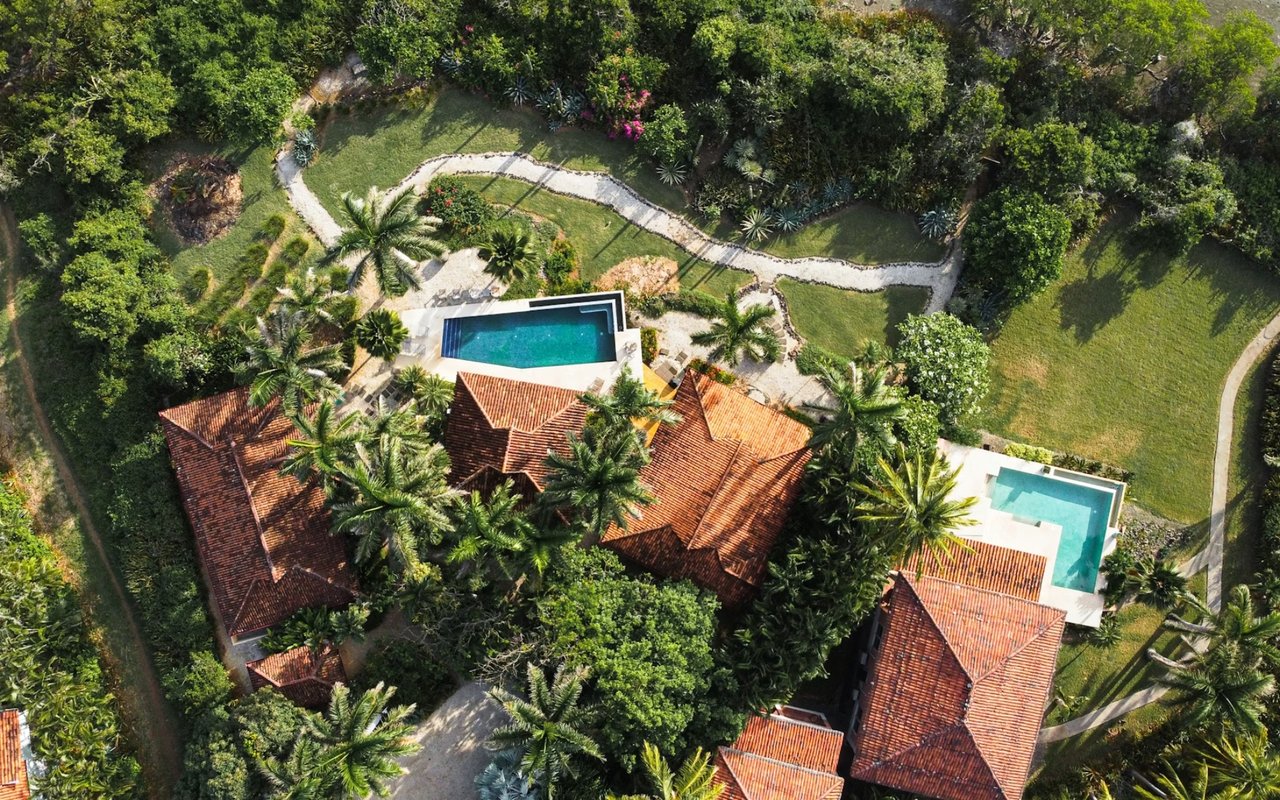
Inspection extends beyond the main house. Outdoor spaces in Costa Rica often include patios, pools, terraces, and guest casitas. Inspectors review drainage slopes, retaining walls, and runoff paths to ensure proper water management. Poor drainage can affect foundations, landscaping, and outdoor tile surfaces.
Pools require checks of pumps, filters, skimmers, and surrounding decking. Inspectors verify that equipment operates correctly and that tile or concrete edges are securely in place. Outdoor kitchens, pergolas, and storage structures must also be evaluated for their structural stability and the appropriateness of the materials used.
Pools require checks of pumps, filters, skimmers, and surrounding decking. Inspectors verify that equipment operates correctly and that tile or concrete edges are securely in place. Outdoor kitchens, pergolas, and storage structures must also be evaluated for their structural stability and the appropriateness of the materials used.
Pest and Moisture Awareness
Costa Rica’s tropical environment supports an abundance of wildlife and insects. Inspections typically include checks for signs of termites, ants, and moisture-related conditions that could attract pests. Inspectors look for wood damage, mud tubes, or unusual patterns in beams and trim.
Moisture detection plays a vital role in inspecting your home in areas with heavy rainfall. Inspectors use moisture meters to identify hidden dampness in walls, floors, or ceilings. Moisture issues do not always indicate severe problems, but placing them early helps plan maintenance or repairs.
Moisture detection plays a vital role in inspecting your home in areas with heavy rainfall. Inspectors use moisture meters to identify hidden dampness in walls, floors, or ceilings. Moisture issues do not always indicate severe problems, but placing them early helps plan maintenance or repairs.
Document Review and Local Compliance
Many buyers request document reviews to confirm that the home complies with local regulations. Inspectors or attorneys verify construction permits, property boundaries, and access to utilities. In planned communities or developments, buyers confirm adherence to architectural guidelines or homeowner association requirements.
A clear set of documents helps ensure that additions, pools, decks, or outbuildings were built according to approved plans. Buyers also confirm that the home’s water, electricity, and septic systems operate with valid permissions and registered service connections.
A clear set of documents helps ensure that additions, pools, decks, or outbuildings were built according to approved plans. Buyers also confirm that the home’s water, electricity, and septic systems operate with valid permissions and registered service connections.
Final Inspection and Negotiation
Once the inspection is complete, the inspector prepares a detailed report that outlines observations and suggests next steps. Buyers review this report with their agent and attorney to decide how to proceed. The findings help guide negotiation on repairs, credits, or the final terms of the transaction.
International buyers often rely heavily on these reports because of differences in construction standards compared to those in their home countries. The inspection process ensures clarity before the purchase is finalized.
International buyers often rely heavily on these reports because of differences in construction standards compared to those in their home countries. The inspection process ensures clarity before the purchase is finalized.
Connect with Flamingo Beach Realty
A careful evaluation of the structure, systems, environment, and documentation enables buyers to make informed decisions when acquiring property in Costa Rica. A comprehensive approach to inspecting your home ensures confidence and clarity during the buying process.
Flamingo Beach Realty assists clients through every stage of property acquisition in Costa Rica, providing local insight, professional connections, and reliable support for a smooth and informed experience.
Interested in Guanacaste real estate? Contact us today and find your dream home in Guanacaste.
Flamingo Beach Realty assists clients through every stage of property acquisition in Costa Rica, providing local insight, professional connections, and reliable support for a smooth and informed experience.
Interested in Guanacaste real estate? Contact us today and find your dream home in Guanacaste.